- Jet-Ski Watercraft Ignition & Starting Systems Products
- sku: 2850809758921792
- KAWASAKI 21007-3730
21007-3730 KAWASAKI Rotorpulsing
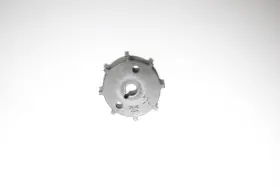
| Brand | KAWASAKI |
|---|---|
| Manufacturer Part Number | 21007-3730 |
Review KAWASAKI Oem Rotorpulsing
The Kawasaki 21007-3730 RotorPulser is a high-performance, compact rotor position sensor designed for use in various applications, particularly in automotive and industrial settings. This sensor employs a non-contacting magnetic sensor technology, which ensures reliable and accurate rotation detection, even under harsh operating conditions.
The RotorPulser is a robust and durable component, featuring a compact and lightweight design that enables easy installation in confined spaces. The sensor housing is made of high-quality materials that provide resistance to vibration, shock, and other environmental stressors. Its small size allows for a wide range of applications, from automotive engine control systems to industrial machinery and equipment.
The Kawasaki RotorPulser operates on a simple yet effective principle: a permanent magnet attached to the rotor generates a magnetic field, which is detected by the sensor. This information is then transmitted to the receiving unit, allowing for precise measurement of rotor position and speed. The sensor can be easily calibrated to ensure optimal performance and accuracy in various operating conditions.
This sensor is designed to provide a robust and reliable solution for rotor position sensing applications. Its compact size and rugged construction make it an ideal choice for use in demanding environments, while its high accuracy and reliability ensure consistent and precise measurement of rotor position and speed. The Kawasaki 21007-3730 RotorPulser is a versatile and essential component for engineers and technicians working in the automotive and industrial sectors.
In summary, the Kawasaki 21007-3730 RotorPulser is a high-performance, non-contacting magnetic sensor designed for use in rotor position sensing applications. Its compact size, rugged construction, and reliable performance make it an ideal choice for use in automotive and industrial settings, where precise measurement of rotor position and speed is essential.
Kawasaki 21007-3730 Rotorpolisher: A Comprehensive Analysis
The Kawasaki 21007-3730 Rotorpolisher is a popular tool for automotive enthusiasts looking to restore or maintain the finish of their wheels. This power tool comes with several advantages and disadvantages that potential buyers should consider before making a purchase.
Advantages:1. Efficient: The rotorpolisher is designed to save time compared to manual buffing methods. It can effectively remove rust, oxidation, and other impurities from wheels in a fraction of the time it would take using traditional buffing techniques.
2. Consistent Results: The power tool ensures uniform results across the entire surface of the wheel, making it an ideal choice for those seeking a professional-level finish.
3. Versatile: The Kawasaki 21007-3730 Rotorpolisher can be used on various wheel types, including aluminum, steel, and chrome, and can be adjusted to accommodate different wheel sizes.
4. Easy to Use: The tool is relatively easy to use, even for beginners. It comes with a clear instruction manual and features adjustable speed settings to accommodate various wheel conditions.
5. Durable: Kawasaki is known for its high-quality manufacturing, and the rotorpolisher is no exception. It is built to last, with a robust design that can withstand heavy use.
Disadvantages:1. Price: The Kawasaki 21007-3730 Rotorpolisher is on the pricier side compared to manual buffing tools. However, its efficiency and consistent results may justify the investment for some.
2. Size and Weight: The power tool is relatively large and heavy, which may make it less portable for some users. It is best suited for in-garage use.
3. Noise Level: The rotorpolisher generates a significant amount of noise during operation, which may be a concern for those with sensitive ears or living in noise-sensitive environments.
4. Maintenance: Regular maintenance is required to keep the tool in optimal condition. This includes ensuring the brushes are clean and well-maintained, as well as checking the power cord and other components for signs of wear.
Conclusion:The Kawasaki 21007-3730 Rotorpolisher offers several advantages, including efficient wheel restoration, consistent results, versatility, ease of use, and durability. However, it also has some disadvantages, such as a higher price point, size and weight, noise level, and maintenance requirements. Ultimately, the decision to purchase this power tool depends on an individual's budget, preferred wheel restoration method, and personal circumstances.
Recommendation:The Kawasaki 21007-3730 Rotorpolisher is an excellent investment for automotive enthusiasts, professional detailers, or anyone seeking a high-quality, efficient way to restore and maintain the finish of their wheels. Its consistent results, versatility, and durability make it a worthwhile investment for those who value a professional-level finish. However, for those on a tight budget or with limited garage space, a manual buffing tool might be a more suitable and cost-effective option.
Details:
These components require specialized factory equipment for proper testing. Components that have been soldered, altered, or physical damage. Return process. For most consumers, the only reliable way to test a CID or MPEG is by installing it directly into your jet ski.
This listing is for a Kawasaki oem 21007-3730 rotorpulsing, manufacturer part number. Warning: testing CID units with a standard ohm meter will damage the unit. Every item undergoes a thorough inspection before being listed and shipped, guaranteeing both reliability performance. Non-returnable items.
CID units that have been improperly tested with an ohm meter will not be eligible for return. Important CID unit notice. Components should be unmodified, free from any signs of tampering, and in their original packaging. Before placing an order, please verify compatibility with your vehicles specific model and year.
Shipping compatibility notice.
specifications jetskiignitions:
- brand: Kawasaki
- mpn: 21007-3730
returns jetskiignitions:
- time: 30 days
- paid by: seller
- policy: returns accepted
general jetskiignitions:
- category: Watercraft Parts > Ignition Starting Systems
shipping jetskiignitions:
- type: calculated
- transit: 5-12 days
- carrier: usps, ups, fedex
- class: expedited, standard, economy
- service: usps priority mail, ups ground, fedex ground or fedex home delivery, ups ground saver
seller jetskiignitions:
- city: mount bethel, pennsylvania
- # reviews: 601
- rating: 94.9%
offer jetskiignitions:
- sold #: 24
- availability: in stock
- options: ship-to-home
- started: march 19, 2025
- in stock #: 3
- prices: $19.95–$28.95
- item condition:
- New
- Used
payments jetskiignitions:
- other
- credit card: diners-club
- wallet: google-pay
Similar Items:
- Kawasaki 14031-3703 Js300 Js 300 300sx Oem Fly Wheel Flywheel Cover Cap Oil Injector Plate Used 1989 Kawasaki JS300 oem flywheel cover, worked good and tested before putting for sale, good shape with normal wear, worked good!, comes as shown...(December 19th, 2023)
- Kawasaki 21066-3003 1978-1989 Js 550 440 Voltage Regulator Oem 1978-1989 Kawasaki 550 440 voltage regulator oem 21066-3003...(December 22nd, 2023)
- Kawasaki 21176-3775 Speed Sensor Ultra 310r 300x 160x Lx 310x 310lx 160lx Freshwater Oem Kawasaki speed sensor. Has corner broken off as pics show. Shipped with care!, thank you for looking. Came from a 2016 ultra 310R. Speed sensor in the pics is one u will receive. No cut or spliced wires, good plug...(December 23rd, 2023)
- Kawasaki 27045-3706 1992 750sx Oem Start Stop Kill Switch 27045-3761 I do not mark merchandise values below or items as ts. No cut or spliced wires. Part is in good working order. Make sure this part fits your machine before purchasing. Freshwater part. Outer coating of wire protector should be replaced...(December 27th, 2023)
- Kawasaki 13251-3703-jj 2011-2022 Ultra Lx Sx-r 300lx 300x 310x-lx 310r Oem Connecting Rod 4 See pictures for details. Kawasaki 2013 jet ski ultra 300LX 13251-3703-JJ, used condition. Kawasaki jet ski 2015 ultra 310X - JT1500LFF crankshaft. Removed from 2013 Kawasaki ultra 300LX with only 84 hrs. Kawasaki jet ski 2015 ultra 310X SE - JT1500PFF crankshaft...(December 29th, 2023)
- Kawasaki 59416-3702 1986 Thru 1991 Js Sx 300 Front Electrical Case Oem All electrical parts are tested on the machine that they were removed from. Used oem front electrical case this part came off of a running freshwater jet ski good condition, all my parts are cleaned, tested, and physically inspected before I listed them to ensure the quality. Something has caused ...(December 29th, 2023)
- Mitsuba 21163-3714 Oem Kawasaki Jet Ski 1100 Zxi Engine Starting Starter Motor Oem Kawasaki jet ski 1100 xxi engine starting starter motor mitosis, this is an starter, pulled out of a 1999 xxi. Removed from: 1999 Kawasaki jet ski 1100 xxi JH1100 with miles, please review all pictures to assess the condition of item...(December 29th, 2023)
- Kawasaki 92093-3756 1999 2005 Ultra 150 Rear Electrical Box Seal Oem I suggest finding out what caused the part to go bad first and fix that problem before installing any good electrical component. Used oem rear electrical box seal this part came off of a running freshwater Kawasaki jet ski good condition, all my parts are cleaned, tested, and physically inspected ...(December 31st, 2023)
- Kawasaki 26004-3716 1995 2000 Zxi Stx Fuse Assembly Oem Something has caused your electrical part to burn out. Used oem, fuse assembly this part came off of a running freshwater Kawasaki jet ski good condition. I suggest finding out what caused the part to go bad first and fix that problem before installing any good electrical component. All electrical ...(December 31st, 2023)
- Kawasaki 14090-1611 1999 2008 Ultra Wire Protector Oem Something has caused your electrical part to burn out. Used oem wire protector this part came off of a running freshwater Kawasaki jet ski good condition, all my parts are cleaned, tested, and physically inspected before I list them to ensure the quality. I suggest finding out what caused the part ...(December 31st, 2023)
- Kawasaki 26011-3853 1999 2005 Ultra 150 Battery Cable Oem I suggest finding out what caused the part to go bad first and fix that problem before installing any good electrical component. All electrical parts are tested on the machine that they were removed from. Something has caused your electrical part to burn out. Used oem starter cable this part came ...(December 31st, 2023)
